In the realm of landscape design, hardscaping plays a crucial role in creating a balanced and functional outdoor space. While softscaping elements such as plants, flowers, and grass receive much attention, hardscaping provides the structural foundation that enhances a property's aesthetic appeal and usability. Integrating these elements requires thoughtful planning and execution to ensure they complement the natural landscape while meeting practical needs.
Hardscaping refers to the non-plant components of landscaping, which can include patios, walkways, walls, fences, and other structures made from materials like stone, brick, or concrete. These Click for more info features not only add visual interest but also create functional spaces for gatherings, recreation, and relaxation. When executed correctly, hardscaping can significantly elevate your property’s value and appeal.
The Purpose of Hardscaping
Understanding the purpose behind hardscaping is essential for effective integration into your landscape design. Hardscape elements serve multiple functions:
Defining Spaces: They help delineate areas within your yard or property, such as separating dining areas from garden beds or creating pathways through larger spaces.
Enhancing Aesthetics: Well-designed hardscapes contribute to the visual appeal of your landscape. Textures and colors can complement or contrast with planting choices to create stunning effects.
Providing Functionality: Features like patios and walkways make outdoor spaces more usable—providing places for people to gather or paths for easy navigation.
Erosion Control: Properly designed retaining walls or paved surfaces can help manage water runoff and prevent soil erosion in sloped areas.
Reducing Maintenance: Hardscaped areas require less maintenance than softscapes, offering practicality for busy property owners who seek low-maintenance solutions.
Selecting Materials Wisely
Choosing the right materials is paramount in hardscape design. Different materials convey varied aesthetics and serve different functional purposes. Natural stone lends an organic feel to gardens while brick offers a classic look that can enhance traditional architecture. Concrete is versatile and cost-effective but may lack the warmth of natural materials.
When selecting materials for your project:
- Assess durability: Choose materials that withstand local weather conditions without deteriorating quickly. Consider maintenance: Some materials require more upkeep than others; for instance, wooden structures may need regular treatment against rot. Match existing features: Select materials that harmonize with existing buildings or structures on your property.
Designing Functional Spaces
An effective landscape design integrates hardscape elements thoughtfully into the overall layout of the yard or property. Start by analyzing how you intend to use each area:
- Outdoor Living Areas: Create defined spaces for dining or lounging using patios made from pavers or natural stones. Incorporate benches or chairs around fire pits for social gatherings. Walkways: Pathways should connect different areas seamlessly while guiding visitors through your landscape. Use contrasting materials like gravel alongside stone slabs to define walking paths. Retaining Walls: If your property has sloping terrain, consider retaining walls not just for functionality but also as decorative features that add height variation to your landscape.
Balancing Softscape with Hardscape
A well-designed landscape achieves harmony between softscape (plants) and hardscape (structures). Too much hardscape can lead to a stark appearance devoid of life; conversely, excessive softscape may overwhelm the space if not properly contained.
To create balance:
- Space out hardscape features among plantings; this allows greenery to soften edges and introduce color throughout different seasons. Use raised beds against walls or patios to keep plantings organized while adding dimension to flat surfaces. Consider seasonal changes when planning plant selections; evergreens provide year-round structure while flowering plants offer seasonal bursts of color.
Water Management Considerations
Effective water management is another critical aspect when integrating hardscaping into landscape designs. Impervious surfaces can lead to water runoff issues if not addressed properly. Incorporating permeable paving stones allows rainwater infiltration while reducing puddling around walkways.
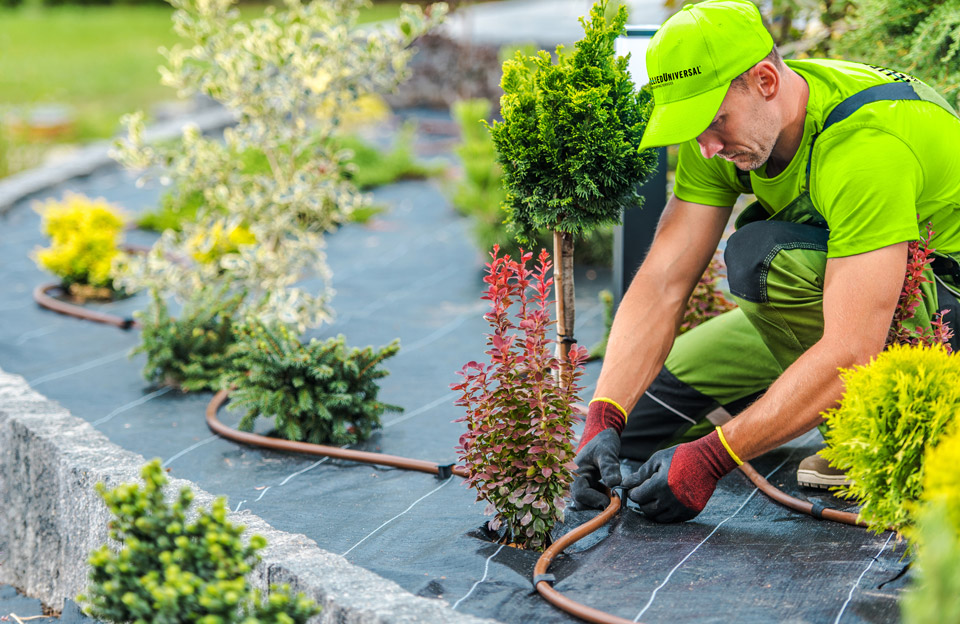
Rain gardens are another solution where you can utilize low spots in conjunction with hardscaped areas—these gardens capture rainwater runoff from roofs or driveways before it reaches storm drains.
Lighting Enhancements
Integrating lighting into your hardscape design enhances both safety and ambiance during evening hours. Strategically placed lighting along pathways helps guide visitors safely while adding an inviting atmosphere to outdoor living spaces.
Consider different types of lighting fixtures:
- Path lights illuminate walkways without overwhelming them. Spotlights highlight particular features such as trees or sculptures. String lights add a festive touch above seating areas when wrapped around pergolas or tree branches.
Professional Assistance in Design Implementation
While DIY enthusiasts might find some aspects of hardscaping manageable on their own, enlisting professional expertise ensures that all elements are executed correctly—from planning permits through construction phases.
Working with experienced landscapers brings insights regarding appropriate material selection tailored specifically for local climates along with innovative design ideas based on current trends within landscaping practices.
Additionally:
Companies specializing in commercial lawn care often have experience integrating both softscape maintenance programs alongside routine upkeep needed post-hardscape installation. Regular inspections post-installation allow identifying potential issues early on—leading companies providing reliable lawn maintenance services can address concerns before they escalate into costly repairs down the line.Maintenance Strategies for Long-Term Success
Maintaining both scheduled lawn care softscape and hardscape elements is vital for keeping landscapes looking their best over time:
- Regular cleaning prevents dirt buildup on paved surfaces which could lead to staining over time. Inspecting joints between stones periodically helps catch cracks early before they widen into larger gaps needing repairs later on. Seasonal mulching around planters enhances aesthetic appeal while suppressing weed growth—making ongoing maintenance simpler across various sections of landscaped grounds.
By understanding how best to integrate these various components effectively into overall designs—not only will properties shine—but they will become enjoyable spaces ensuring lasting satisfaction year after year!